
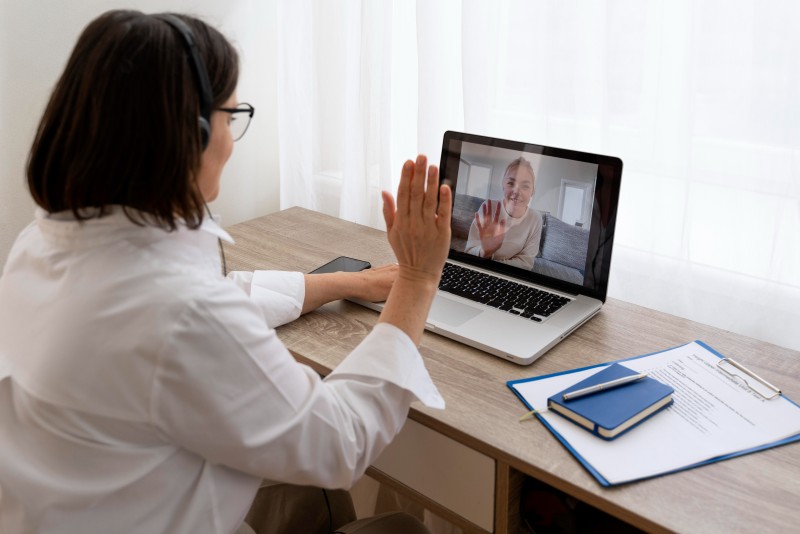
In recent years, remote healthcare services have revolutionized the way patients access medical care. The rise of virtual healthcare platforms has bridged geographical barriers, allowing individuals to connect with healthcare professionals without leaving the comfort of their homes. This shift not only enhances convenience but also improves the efficiency and reach of healthcare delivery. With the advancement of technology, digital healthcare solutions have become integral to modern medicine, making healthcare more accessible and patient-centered.
The Rise of Virtual Healthcare
The global demand for virtual healthcare has surged due to its convenience, especially in remote or underserved areas. Patients can now schedule appointments, receive diagnoses, and even get prescriptions through secure online platforms. Telemedicine services have made it possible for healthcare providers to monitor chronic conditions, follow up on treatments, and provide preventive care remotely. This reduces the strain on traditional healthcare facilities and ensures timely medical attention.
Benefits of Remote Healthcare Services
Remote healthcare services offer numerous advantages for both patients and providers. For patients, it eliminates long travel times, reduces waiting room exposure, and provides easier access to specialists. Providers benefit from more flexible scheduling, better patient engagement, and the ability to manage a broader patient base. Additionally, online medical care platforms often include features such as digital records, reminders, and health monitoring tools, which enhance the overall quality of care.
How Telemedicine Services Work
Telemedicine services utilize video calls, secure messaging, and mobile apps to connect patients with doctors. During a remote doctor consultation, a physician can assess symptoms, review medical history, and recommend treatment options. In some cases, remote diagnostic tools like wearable devices and home testing kits are integrated into digital healthcare platforms, enabling real-time monitoring and faster interventions. This technology-driven approach ensures that healthcare delivery remains uninterrupted, even during emergencies or pandemics.
The Role of Online Medical Care in Chronic Disease Management
Managing chronic conditions like diabetes, hypertension, and heart disease often requires frequent check-ins. Online medical care solutions allow patients to share health data with their doctors regularly, enabling proactive treatment adjustments. Remote healthcare services facilitate timely interventions, reducing hospital admissions and improving patient outcomes. Patients also benefit from educational resources and virtual support groups, which empower them to take control of their health.
Challenges and Considerations
While virtual healthcare is transformative, it comes with certain challenges. Data security and privacy are critical concerns, as sensitive health information is transmitted online. Additionally, not all medical conditions can be treated remotely; some require in-person examinations and procedures. To maximize the effectiveness of telemedicine services, healthcare providers must ensure secure platforms, train staff adequately, and maintain clear communication with patients.
The Future of Digital Healthcare
The integration of digital healthcare technologies is expected to continue growing. Innovations such as artificial intelligence, wearable devices, and remote monitoring systems will further enhance remote doctor consultations. As patients become more comfortable with virtual care, healthcare providers are likely to adopt hybrid models that combine traditional and digital services. Ultimately, remote healthcare services are not just a temporary solution—they are shaping the future of modern medicine.
Frequently Asked Questions (FAQs)
Q1: What are remote healthcare services?
Remote healthcare services refer to medical care provided through digital platforms, allowing patients to consult doctors and access treatment without visiting a clinic physically.
Q2: How does virtual healthcare work?
Virtual healthcare involves online consultations, telemedicine services, and remote monitoring using secure platforms, enabling real-time interaction between patients and healthcare providers.
Q3: Can chronic diseases be managed through online medical care?
Yes, patients with chronic conditions can benefit from continuous monitoring, follow-ups, and timely interventions provided by online medical care platforms.
Q4: Are remote doctor consultations safe?
When conducted through secure and compliant platforms, remote doctor consultations are safe. Providers follow strict privacy protocols to protect patient information.
Q5: Will digital healthcare replace traditional clinics?
Digital healthcare complements traditional clinics. While some cases require in-person visits, remote healthcare services enhance accessibility, convenience, and overall healthcare efficiency.
Access quality healthcare from the comfort of your home with our remote healthcare services. Visit our website https://texasspecialtyclinic.com/services/telemedicine/ or call us at (469) 496-2456 today!