
Sprains and strains are among the most common injuries affecting people of all ages. Whether caused by sports activities, exercise, accidents, or daily movements, these injuries can lead to pain, swelling, and limited mobility. Understanding the right sprain and strain treatment methods is important for reducing discomfort and speeding up recovery. Early care and proper treatment can help prevent complications and restore normal movement quickly.
What Is a Sprain?
A sprain occurs when ligaments are stretched or torn. Ligaments are strong bands of tissue that connect bones together and stabilize joints. Sprains commonly affect the ankles, wrists, knees, and thumbs. An ankle sprain is one of the most frequent sports-related injuries.
Symptoms of a sprain may include:
- Swelling around the joint
- Bruising or discoloration
- Pain when moving the joint
- Limited flexibility
- Tenderness to touch
- Instability in the affected area
Sprains can range from mild stretching of the ligament to a complete tear that requires medical attention.
What Is a Strain?
A strain affects muscles or tendons, which connect muscles to bones. Strains are usually caused by overstretching, lifting heavy objects incorrectly, or repetitive movements. Common areas for strains include the back, neck, hamstrings, and shoulders.
Symptoms of a strain include:
- Muscle pain or spasms
- Swelling and inflammation
- Weakness in the muscle
- Difficulty moving the affected area
- Cramping
- Stiffness
Muscle strain treatment focuses on reducing inflammation and allowing the tissue to heal properly.
Common Causes of Sprains and Strains
Several activities and situations can lead to these injuries. Some common causes include:
- Sudden twisting movements
- Sports injuries
- Slips and falls
- Overuse during exercise
- Improper lifting techniques
- Poor physical conditioning
- Lack of stretching before activities
People who participate in sports or physically demanding jobs are at higher risk for ligament and muscle injuries.
Immediate Sprain and Strain Treatment
The first few hours after an injury are critical. Immediate treatment can reduce swelling and prevent further damage. One of the most recommended methods for treating sprains and strains is the RICE method.
1. Rest
Resting the injured area helps prevent additional stress on the muscles or ligaments. Avoid activities that cause pain or discomfort.
2. Ice
Applying ice packs for 15–20 minutes every few hours can help reduce swelling and numb pain. Always wrap ice in a cloth to avoid direct skin contact.
3. Compression
Using an elastic bandage helps control swelling and provides support to the injured area.
4. Elevation
Keeping the injured body part elevated above heart level can minimize swelling and improve blood circulation.
The RICE method is widely recommended for both ankle sprain treatment and muscle strain therapy.
Medical Treatment Options
While mild injuries may heal at home, moderate to severe injuries often require professional care. Healthcare providers may recommend several treatment options depending on the severity of the injury.
1. Pain Relief Medications
Over-the-counter anti-inflammatory medications can help reduce swelling and relieve pain. These medications are commonly used during early sprain recovery.
2. Physical Therapy
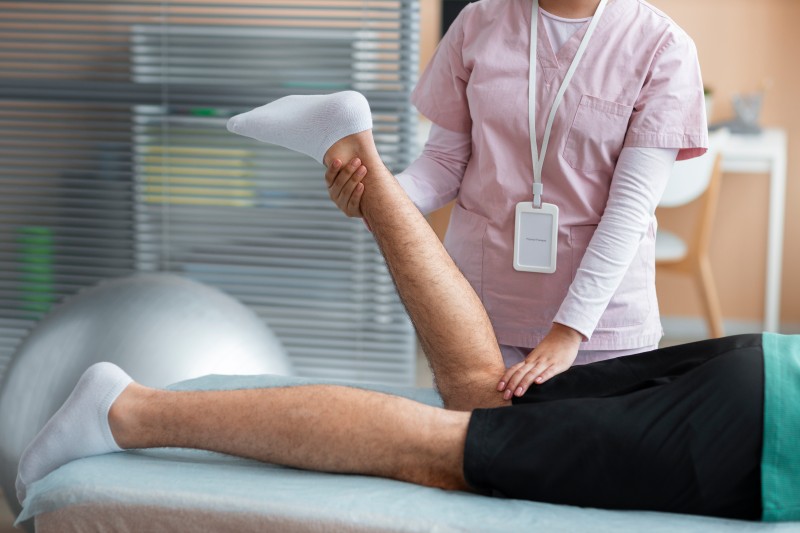
Physical therapy is an important part of rehabilitation. Stretching and strengthening exercises improve flexibility, mobility, and muscle stability.
3. Braces and Supports
Ankle braces, compression wraps, or splints may be used to support healing and prevent reinjury.
4. Imaging Tests
In severe cases, X-rays or MRI scans may be needed to determine whether there is a fracture or significant ligament damage.
5. Surgical Treatment
Surgery is usually reserved for severe ligament tears or muscle injuries that do not improve with conservative treatment.
Recovery Tips for Faster Healing
Proper recovery plays a major role in long-term healing and preventing recurring injuries. Following these tips can support better recovery outcomes.
1. Stay Hydrated
Drinking enough water helps maintain muscle function and tissue repair.
2. Eat Nutritious Foods
Foods rich in protein, vitamins, and minerals help repair damaged tissues and reduce inflammation.
3. Gradually Return to Activity
Returning to sports or exercise too quickly can worsen the injury. Follow a gradual rehabilitation plan.
4. Perform Stretching Exercises
Gentle stretching improves flexibility and prevents stiffness during recovery.
5. Follow Medical Advice
Always follow the recommendations of healthcare professionals for rehabilitation and activity restrictions.
Preventing Sprains and Strains
Preventive care is essential for reducing the risk of future injuries. Here are some effective prevention strategies:
- Warm up before exercise
- Wear proper footwear
- Maintain muscle strength and flexibility
- Use correct lifting techniques
- Avoid overtraining
- Stay physically active
Athletes and active individuals should also include balance and coordination exercises in their fitness routines.
When to Seek Medical Attention
Some injuries require urgent medical care. You should seek professional evaluation if you experience:
- Severe swelling or bruising
- Inability to bear weight
- Intense pain
- Joint deformity
- Numbness or tingling
- Symptoms that do not improve after several days
Delaying treatment for serious ligament injuries can lead to chronic pain and long-term instability.
Importance of Professional Injury Care
Professional sprain and strain treatment ensures proper diagnosis and recovery planning. Medical providers can create personalized treatment plans based on the severity of the injury and the patient’s activity level. Early treatment also reduces the chances of long-term complications such as chronic pain, weakness, or joint instability.
Whether the injury is sports-related or caused by daily activities, receiving timely care can significantly improve healing outcomes and help patients return to normal activities safely.
Conclusion
Sprains and strains are common soft tissue injuries that can affect mobility and quality of life. Understanding the symptoms, causes, and proper sprain and strain treatment methods is essential for faster recovery and long-term joint health. From immediate first aid using the RICE method to physical therapy and rehabilitation, proper care can help reduce pain and restore movement effectively. Seeking professional medical attention when needed is the best way to ensure safe healing and prevent future injuries.
Frequently Asked Questions (FAQs)
1. What is the difference between a sprain and a strain?
A sprain affects ligaments, while a strain affects muscles or tendons.
2. How long does sprain recovery usually take?
Mild sprains may heal within a few weeks, while severe sprains can take several months.
3. Can I walk with an ankle sprain?
It depends on the severity. Mild sprains may allow limited walking, but severe injuries require rest and medical evaluation.
4. What is the best home treatment for strains?
The RICE method—rest, ice, compression, and elevation—is commonly recommended for muscle strain treatment.
5. When should I see a doctor for a sprain or strain?
You should seek medical care if you experience severe pain, swelling, inability to move the joint, or symptoms that persist.
For expert sprain and strain treatment, visit our clinic https://texasspecialtyclinic.com/services/diagnostic-services/ for professional evaluation and personalized care plans. Our experienced medical team is dedicated to helping you recover safely and quickly.
Contact us at 469-496-2456 today to schedule your appointment and receive trusted care for sports injuries, muscle strains, and ligament sprains.