
Introduction
Sexual health is an important part of overall wellness, and regular screening can help identify sexually transmitted infections (STIs) before they cause serious health complications. Chlamydia and gonorrhea are two common bacterial sexually transmitted infections that can affect both men and women. These infections may spread through vaginal, anal, or oral sexual contact with an infected partner.
One challenge with these infections is that many people do not experience noticeable symptoms. As a result, someone may have an infection without realizing it and unknowingly transmit it to another person.
If you are searching for chlamydia and gonorrhea testing near me, understanding the available testing methods, symptoms, and treatment options can help you take the next step toward protecting your health. Professional screening provides an opportunity to identify infections early and receive appropriate medical care.
What Are Chlamydia and Gonorrhea?
Chlamydia and gonorrhea are bacterial infections transmitted primarily through sexual contact.
Chlamydia is caused by the bacterium Chlamydia trachomatis. It can infect the cervix, urethra, rectum, and throat. Many people with chlamydia have no symptoms, which makes routine screening particularly important for individuals at increased risk.
Gonorrhea is caused by the bacterium Neisseria gonorrhoeae. It can affect the reproductive tract, rectum, throat, and other areas of the body. Like chlamydia, gonorrhea can occur without noticeable symptoms.
Both infections are treatable with appropriate antibiotics. However, untreated infections can lead to complications, including pelvic inflammatory disease, infertility, and infections in other parts of the body.
Common Symptoms of Chlamydia and Gonorrhea
Although some individuals experience no symptoms, others may notice changes that require medical evaluation.
Chlamydia Symptoms
Common symptoms may include:
- Unusual vaginal or penile discharge
- Burning or pain during urination
- Lower abdominal or pelvic pain
- Pain during sexual intercourse
- Bleeding between menstrual periods
- Testicular pain or swelling
- Rectal pain, discharge, or bleeding
Symptoms may appear several weeks after exposure, but many infections remain asymptomatic.
Gonorrhea Symptoms
Possible gonorrhea symptoms include:
- Painful or frequent urination
- White, yellow, or green genital discharge
- Pelvic or lower abdominal discomfort
- Testicular pain or swelling
- Vaginal bleeding between periods
- Rectal itching, discharge, or discomfort
- Sore throat following oral sexual exposure
Not everyone develops symptoms. Therefore, waiting for symptoms before getting tested may delay diagnosis and treatment.
Why Is Chlamydia and Gonorrhea Testing Important?
Getting tested is an important step in maintaining sexual health. Early detection allows healthcare professionals to recommend appropriate treatment and help prevent the spread of infection.
Some important reasons to consider screening include:
- Early identification: Testing can detect infections even when symptoms are absent.
- Preventing complications: Untreated chlamydia and gonorrhea may cause reproductive health problems, including pelvic inflammatory disease and infertility.
- Protecting sexual partners: Identifying an infection helps individuals take appropriate steps to prevent transmission.
- Supporting reproductive health: Screening is especially important for people planning a pregnancy or currently receiving prenatal care.
- Peace of mind: Testing can help individuals understand their sexual health status and make informed decisions.
Healthcare professionals can recommend screening based on age, sexual activity, pregnancy status, exposure history, and individual risk factors.
What Happens During Chlamydia and Gonorrhea Testing?
If you are looking for an STD testing clinic, understanding the testing process can make your appointment more comfortable.
1. Initial Consultation
A healthcare professional may ask about your symptoms, medical history, sexual activity, possible exposure, and previous STI testing.
This information helps determine which tests are appropriate and which body sites should be screened.
2. Urine Testing
A urine sample is commonly used to detect chlamydia and gonorrhea infections affecting the genital or urinary tract.
This is a convenient testing method and generally does not require a physical examination.
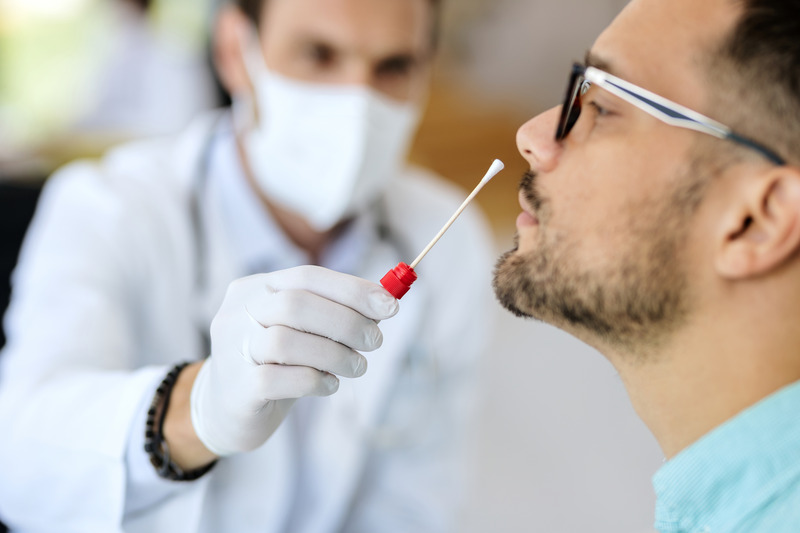
3. Swab Testing
Depending on sexual exposure and symptoms, a healthcare professional may recommend swab samples from specific areas, including:
- Vaginal or cervical areas
- Urethral areas
- Rectum
- Throat
Testing the appropriate exposure sites is important because a urine test alone may not detect infections in the throat or rectum.
4. Laboratory Analysis
Many clinics use nucleic acid amplification tests (NAATs), which are highly sensitive methods for detecting the genetic material of chlamydia and gonorrhea bacteria.
Your healthcare provider will explain when results are expected and how you will receive them.
5. Treatment and Follow-Up
If a test result is positive, the healthcare professional can recommend appropriate antibiotics, discuss partner notification, and explain any necessary follow-up testing.
Treatment Options for Chlamydia and Gonorrhea
Both infections are bacterial and can generally be treated with antibiotics.
Chlamydia treatment: Doxycycline is commonly recommended for uncomplicated chlamydia infections in nonpregnant adults. Alternative treatments may be appropriate in certain circumstances, including pregnancy.
Gonorrhea treatment: The CDC recommends intramuscular ceftriaxone for uncomplicated gonorrhea. Additional treatment may be needed if chlamydia has not been excluded.
Antibiotic selection and dosage should always be determined by a qualified healthcare professional.
Patients should complete their prescribed treatment, avoid sexual activity until the recommended waiting period has passed, and ensure that sexual partners receive appropriate evaluation and treatment.
Because reinfection is common, repeat testing is generally recommended approximately three months after treatment for both infections.
Who Should Consider Chlamydia and Gonorrhea Screening?
STI screening recommendations depend on individual circumstances.
Testing may be recommended for:
- Sexually active women younger than 25.
- Women aged 25 and older with increased risk factors.
- Individuals with a new sexual partner or multiple partners.
- People whose partners have been diagnosed with an STI.
- Individuals experiencing unusual genital discharge or painful urination.
- Pregnant individuals based on age and risk factors.
- Men and women with potential exposure through oral, vaginal, or anal sexual contact.
People who have been exposed to an STI should consult a healthcare professional about appropriate testing timing, even if they do not have symptoms.
Choosing the Right STD Testing Clinic Near You
When searching online for chlamydia and gonorrhea testing near me, consider choosing a healthcare provider that offers professional STI screening, appropriate laboratory testing, confidential handling of medical information, and treatment guidance.
Before scheduling an appointment, consider asking:
- Does the clinic offer both chlamydia and gonorrhea testing?
- Are urine and swab testing options available?
- Can throat and rectal infections be evaluated?
- How long does it take to receive test results?
- Are treatment and follow-up services available?
- What are the costs and insurance requirements?
Choosing an appropriate healthcare provider can make it easier to access timely testing and receive accurate medical guidance.
Conclusion
Chlamydia and gonorrhea are common bacterial sexually transmitted infections that can affect individuals regardless of whether they experience symptoms. Without timely diagnosis and treatment, these infections may cause serious reproductive health complications.
If you are searching for chlamydia and gonorrhea testing near me, professional screening is an important step toward understanding your sexual health. With appropriate laboratory testing, early diagnosis, antibiotic treatment, and partner management, these infections can generally be treated successfully.
Do not wait for symptoms to become severe before seeking medical advice. Schedule an appointment with a qualified healthcare professional to discuss your screening needs and available testing options.
Take charge of your sexual health with timely STI screening. If you are concerned about possible exposure to chlamydia or gonorrhea, schedule a confidential consultation with a qualified healthcare professional. Ask about available testing options, laboratory services, and appropriate treatment recommendations.
Early testing can help protect your health and reduce the risk of transmission to others.
Frequently Asked Questions (FAQs)
1. Where can I get chlamydia and gonorrhea testing near me?
You can visit a qualified healthcare clinic, sexual health center, or laboratory that offers STI screening. Confirm that the provider offers both chlamydia and gonorrhea testing and can recommend appropriate treatment if necessary.
2. Can I have chlamydia or gonorrhea without symptoms?
Yes. Both infections frequently occur without noticeable symptoms. Regular screening is important for individuals who may be at increased risk.
3. How are chlamydia and gonorrhea diagnosed?
Healthcare professionals commonly use nucleic acid amplification tests (NAATs) performed on urine samples or swabs collected from exposed body sites.
4. How soon after exposure should I get tested?
Testing too soon after exposure may produce a negative result even when an infection is developing. The appropriate testing time depends on the exposure and test used. Discuss the timing with your healthcare provider and ask whether repeat testing is necessary.
5. Are chlamydia and gonorrhea curable?
Yes. Both are generally curable with appropriate antibiotics. However, antibiotic-resistant gonorrhea is an important concern, making professional diagnosis and treatment essential.
Concerned about your sexual health? Get informed about chlamydia and gonorrhea testing and explore professional screening options for early detection and treatment.
Protect your health with timely STI screening. Professional testing can help identify common sexually transmitted infections, even when symptoms are not present.
Visit Us: Visit us https://texasspecialtyclinic.com/services/std/ to learn more about our available healthcare services and STI screening options. Our team can help you understand the testing process and guide you toward appropriate medical care.
Contact Us: Contact us at (469) 496-2456 today to inquire about chlamydia and gonorrhea testing, appointment availability, laboratory services, and confidential healthcare support.
Your sexual health matters. Take a proactive approach with professional STI screening, accurate diagnosis, and appropriate treatment guidance.
Visit Us and Contact Us Today! Connect with our healthcare team to learn more about available testing services and take an informed step toward better sexual health.