
Introduction
A workplace injury treatment guide is essential for both employees and employers to ensure quick response, proper care, and safe recovery after an accident. Workplace injuries can range from minor cuts to serious conditions like fractures, burns, or repetitive strain injuries. Having a structured approach helps reduce complications and ensures a faster return to work. This comprehensive workplace injury treatment guide will walk you through immediate care, medical treatment, and recovery strategies.
Understanding Workplace Injuries
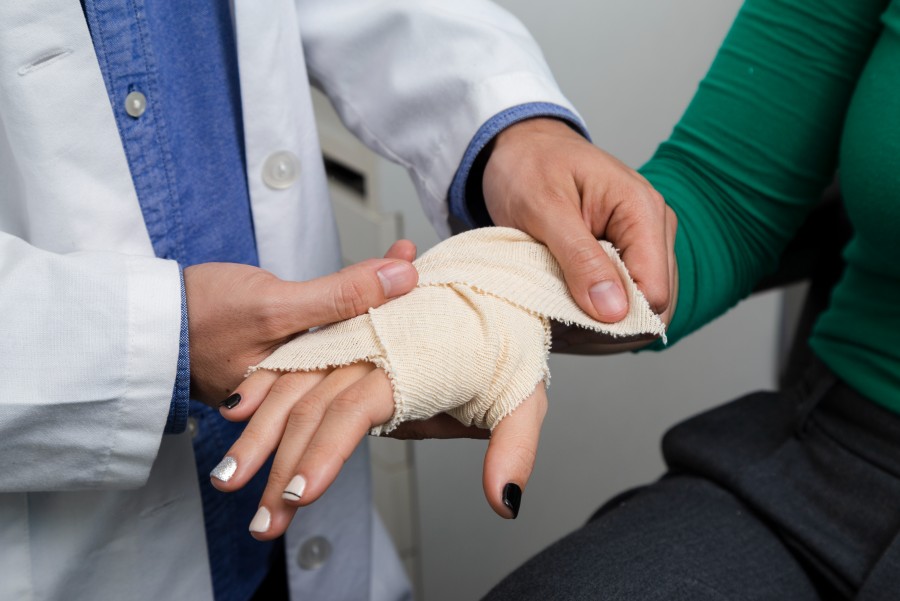
Workplace injuries can occur in any industry, from offices to construction sites. Common types include slips and falls, muscle strains, machinery-related injuries, and exposure to harmful substances. A well-defined workplace injury treatment guide helps identify the severity of the injury and determines the right course of action.
In many cases, early intervention can prevent minor injuries from becoming serious. That’s why awareness and preparation are key elements of effective workplace injury management.
Immediate Steps After a Workplace Injury
The first few minutes after an injury are critical. Following a proper workplace injury treatment guide ensures safety and reduces the risk of further harm.
1. Ensure Safety
Move the injured person away from danger. For example, turn off machinery or remove hazardous materials.
2. Provide First Aid
Basic first aid can stabilize the condition. Clean wounds, apply bandages, or use ice packs for swelling. For severe injuries, avoid moving the person unnecessarily.
3. Report the Incident
Every workplace should have a reporting system. Documenting the injury helps in proper treatment and legal compliance.
4. Seek Medical Attention
Even minor injuries should be evaluated by a healthcare professional. A proper workplace injury treatment guide always emphasizes medical evaluation to avoid hidden complications.
Medical Treatment for Workplace Injuries
Once immediate care is provided, professional treatment becomes necessary. The type of treatment depends on the severity of the injury.
1. Minor Injuries
Cuts, bruises, and mild sprains can often be treated with rest, medication, and basic care.
2. Moderate Injuries
These may include deeper wounds or muscle injuries that require stitches, physical therapy, or prescription medication.
3. Severe Injuries
Fractures, burns, or head injuries require emergency care, hospitalization, and possibly surgery. A structured workplace injury treatment guide ensures that no step is missed during treatment.
Rehabilitation and Recovery
Recovery is a crucial phase in any workplace injury treatment guide. Proper rehabilitation helps employees regain strength and return to work safely.
1. Physical Therapy
Helps restore movement and reduce pain after injuries like fractures or muscle strains.
2. Rest and Gradual Return
Adequate rest is essential. Returning to work too early can worsen the injury.
3. Follow-Up Care
Regular check-ups ensure that healing is progressing as expected.
Preventing Workplace Injuries
Prevention is always better than cure. A good workplace injury treatment guide also focuses on reducing risks.
- Conduct regular safety training
- Use protective equipment
- Maintain clean and hazard-free workspaces
- Encourage employees to report unsafe conditions
By implementing these measures, workplaces can significantly reduce injury rates.
Importance of Occupational Health Services
Occupational health services play a major role in managing injuries. They provide specialized care tailored to workplace conditions. A complete workplace injury treatment guide often includes access to occupational medical specialists who understand work-related risks and recovery needs.
These professionals help in diagnosis, treatment, and even prevention strategies, ensuring employees stay healthy and productive.
Legal and Documentation Aspects
Proper documentation is a vital part of any workplace injury treatment guide. Employers must maintain records of injuries, treatments, and recovery progress. This ensures compliance with labor laws and helps in insurance claims.
Employees should also be aware of their rights, including compensation and medical benefits in case of workplace injuries.
Conclusion
A well-structured workplace injury treatment guide is essential for ensuring employee safety, proper care, and quick recovery. From immediate first aid to long-term rehabilitation, every step plays a crucial role in minimizing the impact of workplace injuries. By following the right procedures and focusing on prevention, organizations can create a safer and healthier work environment.
Frequently Asked Questions (FAQs)
1. What is a workplace injury treatment guide?
A workplace injury treatment guide is a step-by-step approach to managing injuries at work, including first aid, medical care, and recovery.
2. Why is immediate treatment important?
Immediate treatment helps prevent complications and ensures faster recovery.
3. When should I see a doctor after a workplace injury?
You should seek medical attention immediately, even for minor injuries, to rule out hidden issues.
4. Can workplace injuries be prevented?
Yes, with proper safety measures, training, and protective equipment, many workplace injuries can be avoided.
5. What role does rehabilitation play?
Rehabilitation helps restore physical strength and ensures a safe return to work.
Looking for expert care and reliable guidance? Explore our complete workplace injury treatment guide to ensure fast recovery and safety. Visit our website https://texasspecialtyclinic.com/services/occupational-health-care/ today to learn more and call us at (469) 496-2456 for professional assistance and immediate care solutions tailored to your needs.