
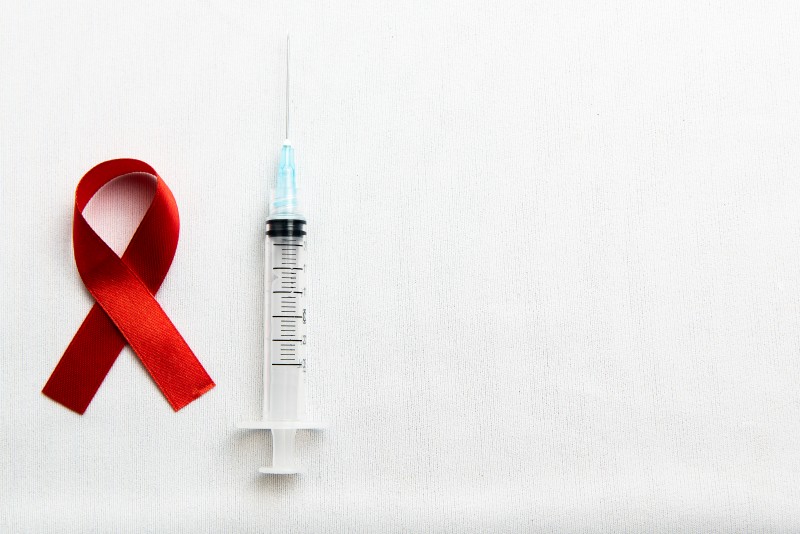
Understanding HIV and the Importance of Testing
Human immunodeficiency virus, commonly known as HIV, affects the body’s immune system. Without appropriate treatment, HIV can gradually damage immune function. However, modern HIV treatment can control the virus and help people with HIV live healthy lives.
One of the most important steps in protecting your health is knowing your HIV status. HIV does not always cause noticeable symptoms, particularly during the early stages. Someone can have HIV and feel completely healthy. For this reason, testing is much more reliable than trying to identify HIV based on symptoms.
If you are searching for HIV testing Lancaster TX, a healthcare provider can help you understand which test may be appropriate, when you should test, and what your results mean.
Why Is HIV Testing Important?
HIV testing is an important part of preventive healthcare. Knowing your status can help you make informed decisions about your health and relationships. If HIV is detected, starting appropriate medical care can help protect your immune system and reduce the amount of virus in your body.
The CDC recommends that everyone between the ages of 13 and 64 be tested for HIV at least once. People with certain risk factors may benefit from testing more frequently.
For example, regular HIV testing may be appropriate for people who have multiple sexual partners, have sex without condoms, share injection equipment, have another sexually transmitted infection, or have a partner whose HIV status is unknown.
A healthcare professional can help determine an appropriate testing schedule based on your circumstances.
What Can You Expect During HIV Testing?
Many people feel nervous about getting tested, but HIV testing is generally a straightforward medical process. Depending on the type of test available, a healthcare professional may collect a blood sample, oral fluid sample, or another specimen.
You may be asked about your medical history and the timing of any potential HIV exposure. Providing accurate information can help the healthcare provider determine whether testing is appropriate and whether additional testing may be needed later.
Before testing, you can ask questions about the test, how the sample will be collected, how results will be communicated, and what happens if the result requires additional testing.
Types of HIV Tests
Different HIV tests detect different markers of infection.
1. Antigen/Antibody Tests
Antigen/antibody tests look for both HIV antibodies and an HIV antigen known as p24. Laboratory-based antigen/antibody blood tests can detect HIV relatively early after infection.
The amount of time needed before a test can reliably detect HIV depends on the specific test and the timing of exposure.
2. Antibody Tests
Antibody tests detect the antibodies produced by the immune system in response to HIV. Depending on the test, the sample may come from blood or oral fluid.
Because the body needs time to produce detectable antibodies, testing very soon after exposure may not rule out infection.
3. Nucleic Acid Tests
Nucleic acid tests, also called NATs, detect HIV genetic material in the blood. These tests can detect infection earlier than many antibody-based tests but are not routinely required for every person seeking HIV screening.
A healthcare provider may recommend this type of test in specific circumstances, particularly when recent exposure is suspected.
When Should You Get Tested for HIV?
The timing of an HIV test is important. No HIV test can detect infection immediately after exposure. Each test has a window period—the time between potential exposure and when the test can reliably detect infection.
If you are concerned about a recent exposure, tell your healthcare provider when the exposure occurred. They can help determine which test is appropriate and whether repeat testing is necessary.
If you believe you may have been exposed to HIV within the previous 72 hours, seek medical attention as soon as possible and ask about post-exposure prophylaxis (PEP). PEP is medication that can reduce the chance of acquiring HIV when started promptly after a potential exposure.
Do not delay seeking medical advice while waiting for symptoms to appear.
Understanding Your HIV Test Results
HIV test results may be described as negative, reactive, or positive depending on the test and laboratory.
A negative result generally means the test did not detect HIV. However, if testing occurred during the window period, a healthcare professional may recommend testing again after an appropriate interval.
A reactive screening result does not necessarily mean that someone has HIV. Additional follow-up testing is typically required to confirm the diagnosis.
If HIV infection is confirmed, your healthcare provider can explain treatment options and help connect you with appropriate ongoing medical care.
Confidential HIV Testing in Lancaster TX
Privacy is an important consideration for many people seeking HIV testing. People may worry about stigma, judgment, or other concerns when discussing sexual health.
Professional healthcare facilities can provide a confidential environment where patients can discuss HIV testing, potential exposures, prevention, and other sexual-health concerns.
When searching for HIV testing Lancaster TX, ask the healthcare facility about its testing process, confidentiality policies, how results are delivered, and whether follow-up services are available.
A professional consultation can also give you an opportunity to discuss other health concerns that may be relevant to your situation.
HIV Prevention Options
HIV testing is only one part of HIV prevention. Depending on your circumstances, a healthcare professional may discuss several prevention strategies.
These can include consistent condom use, regular HIV and STI screening, avoiding shared injection equipment, and medications such as PrEP and PEP.
PrEP (pre-exposure prophylaxis) is medication used by people who do not have HIV to reduce their risk of acquiring HIV. A healthcare professional can determine whether PrEP may be appropriate based on your individual circumstances.
PEP (post-exposure prophylaxis) is used after a potential exposure and should be started as soon as possible, generally within 72 hours.
People living with HIV who take treatment as prescribed and maintain an undetectable viral load do not sexually transmit HIV. This is commonly expressed as U=U, or Undetectable = Untransmittable.
HIV Testing and STI Screening
A person concerned about HIV exposure may also benefit from discussing other sexually transmitted infections with a healthcare provider.
Depending on individual circumstances, STI screening may include testing for conditions such as syphilis, gonorrhea, chlamydia, and hepatitis.
Testing recommendations depend on factors such as symptoms, sexual history, exposure type, and the time since potential exposure.
If you are already scheduling an HIV test, ask whether additional STI screening is appropriate for you.
Who Should Consider HIV Testing?
HIV testing can be a routine part of healthcare for anyone who wants to know their status. Testing may be especially important if you:
- Have a new sexual partner.
- Have multiple sexual partners.
- Have had sex without a condom.
- Have shared needles or injection equipment.
- Have another sexually transmitted infection.
- Have had a partner whose HIV status is unknown.
- Are concerned about a recent possible exposure.
- Want routine sexual-health screening.
Getting tested should not be viewed as something embarrassing or shameful. HIV screening is an important healthcare service that can provide useful information about your health.
What Happens After HIV Testing?
After testing, your healthcare provider can explain what your result means and whether additional testing is necessary.
If your result is negative but the test was performed during the window period, your provider may recommend another test. If a diagnosis is confirmed, medical professionals can discuss treatment options and help you access ongoing care.
If your test is negative, you can also use the appointment to discuss HIV prevention strategies, including PrEP when appropriate.
Choose Professional HIV Testing in Lancaster TX
When looking for HIV testing Lancaster TX, consider a healthcare provider that offers a professional and confidential environment. A qualified healthcare professional can help you understand testing options, timing, results, prevention strategies, and follow-up care.
Taking the step to get tested can provide valuable information and help you make informed decisions about your health.
Conclusion
HIV testing is an important part of preventive healthcare. Because HIV can exist without obvious symptoms, testing is the most reliable way to determine your status. Understanding the available tests, window periods, results, and prevention options can make the testing process easier to navigate.
If you are concerned about a possible HIV exposure, speak with a healthcare professional as soon as possible. If the exposure occurred within the previous 72 hours, ask about PEP immediately.
Whether you are seeking routine screening or testing after a potential exposure, professional HIV testing can help you understand your health status and determine the appropriate next steps.
Frequently Asked Questions (FAQs)
1. How often should I get an HIV test?
Testing frequency depends on your individual circumstances and risk factors. Some people may benefit from annual testing, while others may need more frequent screening. Ask a healthcare provider about a testing schedule appropriate for you.
2. Can HIV cause symptoms?
HIV can cause symptoms, but some people have no noticeable symptoms, especially during certain stages. This is why testing is important if you may have been exposed.
3. Can I test for HIV immediately after exposure?
No HIV test can reliably detect infection immediately after exposure. Each test has a window period. A healthcare provider can explain when you should test and whether repeat testing is needed.
4. What if my HIV screening result is reactive?
A reactive screening result usually requires additional testing to determine whether HIV infection is present. Your healthcare provider can guide you through the next steps.
5. Is HIV testing confidential?
Healthcare providers generally protect patients’ health information according to applicable privacy requirements. Before testing, you can ask the facility about its specific confidentiality and results procedures.
6. What is PEP?
PEP, or post-exposure prophylaxis, is medication used after a potential exposure to HIV. It should be started as soon as possible and generally within 72 hours of the exposure.
7. What is PrEP?
PrEP, or pre-exposure prophylaxis, is medication for people who do not have HIV that can significantly reduce the risk of acquiring HIV. A healthcare professional can determine whether it is appropriate for you.
8. Can I get tested for HIV and other STIs?
Yes, depending on the healthcare facility. If you are concerned about a recent sexual exposure, ask your healthcare provider whether additional STI testing is appropriate.
Confidential HIV Testing in Lancaster TX
Your health deserves professional, respectful, and confidential care. If you are concerned about HIV exposure or simply want to know your status, testing can provide important information and help you make informed healthcare decisions.
Visit us https://texasspecialtyclinic.com/services/std/ for confidential HIV testing, sexual-health guidance, and professional medical support in Lancaster TX.
Contact us at (469) 496-2456 today to learn more about HIV testing, STI screening, HIV prevention, and available follow-up care.
Concerned about HIV or a recent potential exposure? Don’t wait for symptoms. Visit us or contact us today to discuss HIV testing and learn about the appropriate next steps for your health.