
Introduction
An occupational health clinic plays a critical role in maintaining the health and safety of employees across various industries. Whether it is a manufacturing facility, construction site, corporate office, or healthcare organization, workplace health concerns can significantly impact productivity and employee well-being. Occupational health clinics provide specialized medical services designed to prevent, diagnose, and treat work-related illnesses and injuries while ensuring compliance with workplace safety regulations.
Employers increasingly recognize the value of investing in occupational health services to reduce absenteeism, improve workforce productivity, and create a safer work environment. These clinics serve as a bridge between healthcare and workplace safety, helping organizations achieve their operational goals while prioritizing employee health.
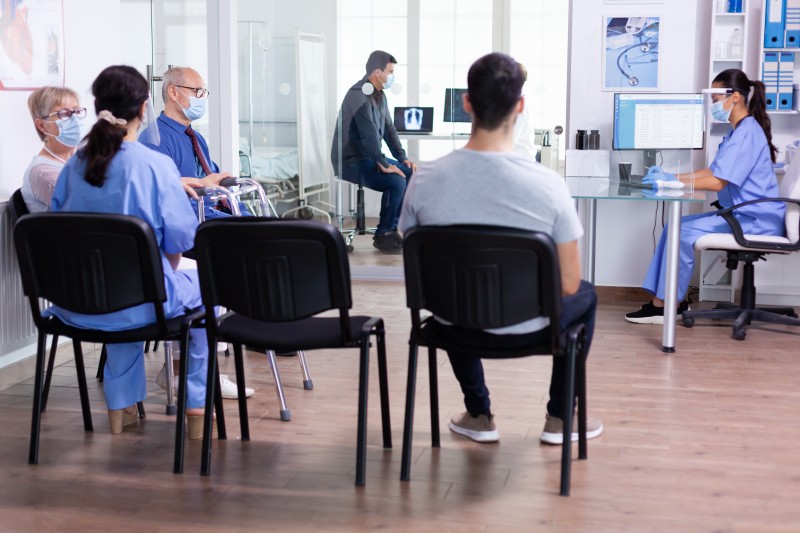
What Is an Occupational Health Clinic?
An occupational health clinic is a specialized healthcare facility that focuses on the prevention and management of workplace-related injuries, illnesses, and health risks. Unlike traditional primary care clinics, occupational health providers understand the unique demands and hazards associated with different industries and work environments.
These clinics work closely with employers and employees to provide medical evaluations, injury treatment, health screenings, and wellness programs tailored to workplace needs. Their primary goal is to ensure employees remain healthy, safe, and capable of performing their job duties effectively.
Key Services Offered by an Occupational Health Clinic
Occupational health clinics provide a wide range of services that support both employers and employees.
| Service | Purpose |
| Pre-Employment Physicals | Assess employee fitness for job duties |
| Drug and Alcohol Testing | Ensure workplace safety and compliance |
| Work Injury Treatment | Diagnose and treat occupational injuries |
| DOT Physical Exams | Meet transportation industry requirements |
| Return-to-Work Evaluations | Determine readiness to resume work |
| Vaccinations and Immunizations | Protect employees from workplace-related illnesses |
| Health Screenings | Identify potential health concerns early |
| Respirator Fit Testing | Ensure compliance with safety standards |
| Employee Wellness Programs | Promote overall health and productivity |
These services help businesses reduce risks while maintaining a healthier workforce.
Importance of Workplace Injury Management
Workplace injuries can occur in any industry, from office settings to high-risk construction environments. Prompt medical attention is essential to prevent complications and minimize downtime.
An occupational health clinic provides immediate evaluation and treatment for injuries such as:
- Sprains and strains
- Back injuries
- Cuts and lacerations
- Burns
- Repetitive stress injuries
- Fractures
- Workplace-related illnesses
Early intervention not only improves recovery outcomes but also helps employees return to work safely and efficiently.
Benefits of Occupational Health Services for Employers
Employers gain significant advantages by partnering with an occupational health clinic.
1. Reduced Workplace Injuries
Preventive programs and safety assessments help identify potential hazards before they result in injuries.
2. Lower Healthcare Costs
Early treatment and preventive care reduce the likelihood of expensive medical complications and workers’ compensation claims.
3. Increased Productivity
Healthy employees are more productive, engaged, and less likely to miss work due to illness or injury.
4. Regulatory Compliance
Occupational health clinics help businesses comply with federal, state, and industry-specific regulations related to employee health and safety.
5. Improved Employee Retention
Workers appreciate employers who prioritize their well-being, leading to greater job satisfaction and retention rates.
Employee Wellness Programs and Preventive Care
Modern occupational health clinics focus not only on treating injuries but also on preventing them. Employee wellness programs are an effective way to improve overall workforce health.
Common wellness initiatives include:
- Health risk assessments
- Weight management programs
- Smoking cessation support
- Blood pressure monitoring
- Diabetes screening
- Nutritional counseling
- Stress management workshops
- Fitness education
These preventive measures help employees maintain healthier lifestyles while reducing healthcare costs for employers.
Pre-Employment and Annual Health Screenings
Pre-employment physical examinations help determine whether candidates can safely perform the essential functions of a job. These evaluations are particularly important in physically demanding industries.
Annual health screenings also offer numerous benefits, including:
| Screening Type | Benefit |
| Vision Testing | Ensures visual capability for job tasks |
| Hearing Testing | Detects occupational hearing loss |
| Respiratory Testing | Evaluates lung function |
| Blood Pressure Screening | Identifies cardiovascular risks |
| Drug Screening | Supports workplace safety |
| Physical Examinations | Monitors overall employee health |
Routine screenings help identify potential health concerns before they become serious issues.
Occupational Health Clinics and Regulatory Compliance
Many industries must adhere to strict occupational health and safety regulations. Occupational health clinics assist organizations in meeting these requirements through proper documentation, testing, and medical evaluations.
Compliance-related services may include:
- OSHA-related medical surveillance
- DOT physical examinations
- Respirator clearance evaluations
- Hearing conservation programs
- Workplace exposure monitoring
- Return-to-work assessments
By maintaining compliance, organizations reduce legal risks and demonstrate their commitment to employee safety.
Return-to-Work Programs
After an injury or illness, employees often require medical clearance before resuming their duties. Occupational health clinics conduct comprehensive evaluations to determine whether workers can safely return to their jobs.
Benefits of return-to-work programs include:
- Faster recovery timelines
- Reduced workers’ compensation costs
- Lower absenteeism
- Improved employee morale
- Enhanced workplace safety
These programs ensure that employees return to work only when medically appropriate, reducing the risk of re-injury.
Choosing the Right Occupational Health Clinic
When selecting an occupational health clinic, employers should consider several factors:
1. Experience and Expertise
Choose a clinic with experience serving your industry and managing workplace-related health concerns.
2. Comprehensive Services
Look for providers offering a full range of occupational medicine services, including injury care, physical exams, and wellness programs.
3. Accessibility
Convenient locations and flexible scheduling help employees receive care quickly when needed.
4. Regulatory Knowledge
A knowledgeable clinic can help ensure compliance with occupational health and safety requirements.
5. Communication
Effective communication between healthcare providers, employers, and employees is essential for successful occupational health management.
The Future of Occupational Health Clinics
As workplace environments continue to evolve, occupational health clinics are expanding their services to address emerging challenges. Telemedicine, digital health monitoring, and advanced workplace wellness programs are becoming increasingly common.
Future trends may include:
- Virtual occupational health consultations
- Wearable health monitoring technology
- Mental health support services
- Advanced injury prevention programs
- Data-driven workplace safety initiatives
These innovations will continue to improve employee health outcomes while helping businesses maintain productive workforces.
Conclusion
An occupational health clinic is an invaluable partner for organizations seeking to promote employee health, workplace safety, and regulatory compliance. Through preventive care, injury management, health screenings, and wellness initiatives, these clinics help create safer and more productive work environments. Investing in occupational health services benefits both employers and employees by reducing injuries, controlling healthcare costs, and improving overall workplace well-being.
Frequently Asked Questions (FAQs)
1. What does an occupational health clinic do?
An occupational health clinic specializes in preventing, diagnosing, and treating workplace-related injuries and illnesses while supporting employee health and safety.
2. Who should use occupational health services?
Employers and employees across all industries can benefit from occupational health services, particularly those in physically demanding or regulated workplaces.
3. What is included in a pre-employment physical?
A pre-employment physical may include a medical history review, physical examination, vision testing, hearing testing, and drug screening.
4. Can occupational health clinics treat workplace injuries?
Yes. Occupational health clinics provide evaluation, treatment, and follow-up care for work-related injuries and illnesses.
5. Why are employee wellness programs important?
Employee wellness programs help reduce health risks, improve productivity, lower healthcare costs, and enhance overall well-being.
Looking for professional occupational health services for your workforce? Visit our clinic https://texasspecialtyclinic.com/services/occupational-health-care/ today for comprehensive employee health evaluations, workplace injury treatment, preventive screenings, and wellness programs designed to keep your team healthy and productive.
Contact us at (469) 496-2456 today to schedule occupational health services, pre-employment physicals, workplace injury evaluations, and employee wellness programs. Our experienced healthcare team is ready to support your organization’s health and safety goals.